
0%

Choosing Private label hair care products in 2026 starts with a clear customer and a specific need. Is your shampoo for dry curls, a sensitive scalp, or frequent washing after workouts? That answer should guide the formula, scent, packaging, and price. Cosmetic chemist and educator Perry Romanowski has written extensively about cosmetic formulation and claims. A practical paraphrase of his science-first approach is: “Make sure product claims match what the formula can support.” Treat that as a decision rule, not a verbatim quotation.

Then examine the details behind the sample. Check the ingredient list, texture, fragrance strength, and how the product performs after repeated use. A creamy conditioner may feel rich in a sample jar but weigh down fine hair. Ask the manufacturer for ingredient documentation, stability information, minimum order quantities, and realistic production timelines. Verify that packaging suits the formula; a thick lotion may struggle in a narrow pump. Claims should be specific and supportable, not grand promises printed in elegant gold lettering.

Small checks matter. Request samples from more than one production batch when possible. Compare them under ordinary bathroom conditions, not just bright showroom lights. Review communication, quality controls, and change-notification practices before committing. A polished sample is encouraging, but it cannot prove every future batch will match. That part deserves a second look. This guide will help you assess suppliers, formulas, packaging, and costs with practical questions—so your brand can make a considered choice, even when no option is perfect.
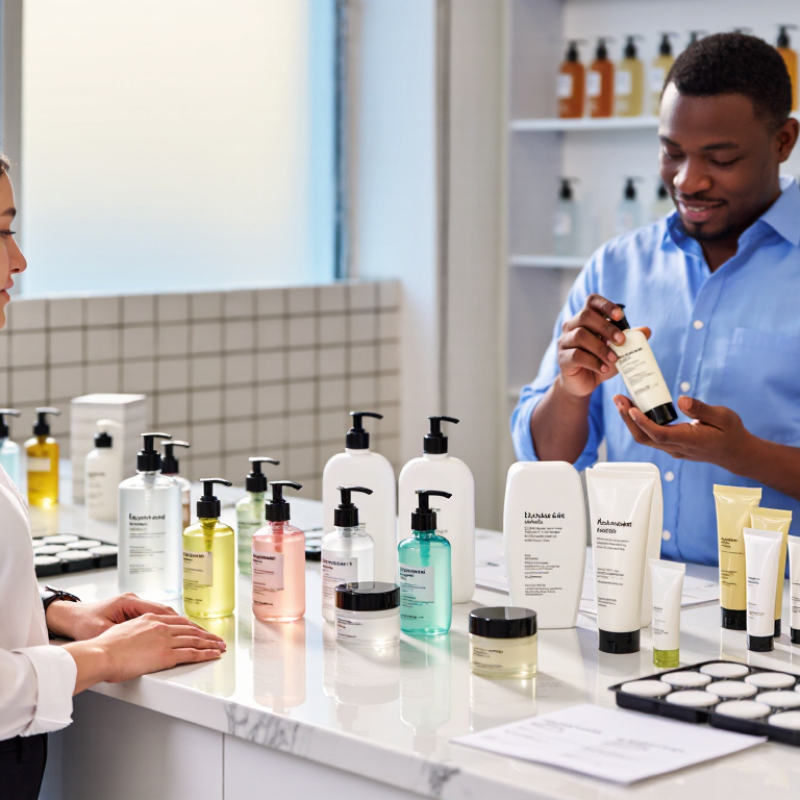
How to Choose Private Label Hair Care Products in 2026

Define Your Brand’s Hair Care Goals and Product Scope

Start by defining what your hair care line should do for a specific customer. Are you serving people with dry-feeling curls, fine hair needing a lighter wash, or busy households seeking a simple routine? Choose one primary need. A clear customer profile helps narrow formulas, sizes, and packaging. List the products that belong in the first launch, such as shampoo, conditioner, and one styling product. Your first brief may be too broad. That is normal. Trim it until every product has a clear role and fits your budget, timeline, and sales channel.

Tips: Write a one-sentence purpose for each product. Note preferred texture, scent level, bottle size, and price range. Ask potential suppliers about sample revisions, minimum order quantities, and what testing they recommend before launch.

Keep product claims specific and supportable. If you want to describe a formula as color-safe or suitable for sensitive scalps, ask what evidence and testing support that wording. Do not assume one sample proves long-term stability or packaging compatibility. Request ingredient and product specifications, then review them with qualified professionals where needed. A simpler range is often easier to evaluate, explain, and manage. It may not feel ambitious enough at first, but adding products later is usually less confusing than launching a crowded line.

Identify Your Target Customers and Their Hair Care Needs

How to Choose Private Label Hair Care Products in 2026

Identify Your Target Customers and Their Hair Care Needs

A useful product brief starts with people, not packaging. Ask prospective customers about scalp condition, hair texture, wash frequency, styling habits, and the problems they actually want solved. Someone with oily roots and dry ends may need a different routine from someone with tightly curled, color-treated hair. Details matter. Grand View Research estimated the global hair care market at USD 99.52 billion in 2023 and forecast 10% annual growth from 2024 to 2030. That market figure signals opportunity, but it does not tell you which customers will buy your products. Local interviews and a small survey can fill that gap.

Look for recurring needs, then test them with a focused range: perhaps a gentle cleanser, conditioner, and leave-in product for one clear hair profile. The American Academy of Dermatology reports that about 80 million people in the United States experience hereditary hair loss. This points to a substantial concern, not permission to make unsupported growth claims. Keep product descriptions within the evidence available for each formula. Ask testers about fragrance strength, residue, how their hair feels after drying, and whether they would use the product again. Start narrow. A neat customer persona can still be wrong; treat it as a working hypothesis, and revise it when real feedback disagrees.

How to Choose Private Label Hair Care Products in 2026 — Identify Your Target Customers and Their Hair Care Needs

Target Customer Hair or Scalp Profile Common Needs Product Types to Consider Formulation Considerations Practical Positioning
Customers with dry, damaged, or chemically treated hair Hair may feel rough, tangle easily, or show breakage after coloring, bleaching, heat styling, or chemical services. Improved softness, easier detangling, reduced friction, and a smoother feel. Moisturizing shampoo, rich conditioner, rinse-out mask, leave-in conditioner, and heat-protection product. Consider conditioning agents, emollients, and film-forming ingredients suited to the desired texture. Balance cleansing strength with the customer’s scalp needs. Focus on manageability and conditioning. Avoid implying that a cosmetic product can permanently repair split ends or restore hair to an untreated state.
Customers with fine or easily weighed-down hair Hair may lose volume quickly or feel coated when using rich conditioners and styling products. Lightweight cleansing, lift at the roots, and conditioning without a heavy finish. Lightweight shampoo, rinse-out conditioner, volumizing mousse or spray, and occasional clarifying shampoo. Evaluate formula weight, residue, and ease of rinsing. Offer directions to apply conditioner mainly to lengths and ends when appropriate. Describe the finish accurately, such as “lightweight” or “adds a fuller-looking appearance,” rather than promising a change in hair density.
Customers with curly, coily, or highly textured hair Natural bends and coils can make lengths more prone to dryness, tangling, and breakage during handling. Slip for detangling, moisture retention, curl definition, and reduced friction during styling. Gentle cleanser, rich conditioner, deep-conditioning mask, leave-in conditioner, and curl cream or gel. Develop products for the intended hold and finish; test for flaking, residue, and performance across relevant curl patterns and styling routines. Use inclusive product testing and clear usage guidance. Avoid treating all curl patterns as having identical needs.
Customers with oily roots or frequent scalp buildup Scalp may feel oily between washes, while lengths can still be dry or chemically treated. Effective cleansing, a fresh scalp feel, and care for lengths without excessive heaviness. Balancing shampoo, occasional clarifying shampoo, lightweight conditioner, and scalp-friendly styling products. Match cleansing strength to wash frequency and hair condition. Clarifying products should have clear directions and should not be positioned as treatment for a scalp disorder. Offer a routine that separates scalp cleansing from conditioning the lengths. Avoid blanket claims that a product “detoxifies” the body or cures scalp conditions.
Customers with sensitive or easily irritated scalps May report discomfort or irritation from certain products, fragrances, or frequent product changes; individual triggers vary. A simple routine, clear ingredient information, and products designed to minimize avoidable irritation. Gentle shampoo, simple conditioner, and fragrance-free options where appropriate. Review fragrance and ingredient choices carefully, use suitable safety assessments, and provide clear directions. “Gentle” does not mean irritation is impossible. Use cautious, substantiated wording. Do not market cosmetic products as treatments for eczema, psoriasis, or other medical conditions.
Customers with color-treated hair Hair has been dyed or highlighted and may be more vulnerable to dryness, fading, and damage from heat or repeated washing. Color-care support, conditioning, and a routine compatible with the customer’s washing and styling habits. Color-care shampoo and conditioner, conditioning mask, leave-in product, and heat protectant. Assess cleansing performance, color appearance over repeated use, and compatibility with the intended hair-service routine. Results can vary by dye, water, and washing habits. Use realistic descriptions such as “helps maintain the appearance of color.” Avoid guaranteed claims about a fixed number of weeks unless substantiated.
Customers seeking low-fragrance or simpler routines May prefer fewer steps, less fragrance, or products that fit a practical everyday routine. Clear product purpose, easy-to-follow directions, and a streamlined selection. Shampoo, conditioner, and one optional multi-use styling or leave-in product. Keep ingredient and usage information easy to find. Confirm any “fragrance-free,” “unscented,” or similar description accurately reflects the formula and applicable labeling rules. Build a concise routine and explain who each product is for, how often to use it, and what results are reasonable to expect.

Evaluate Formulas, Ingredients, Safety, and 2026 Compliance

Choosing private label hair care in 2026 starts with the formula, not the front label. Request the full ingredient list, including ingredient names and concentrations where available. Check whether the product’s pH and texture suit its intended use, and ask how key ingredients support the stated benefits. A shampoo that cleans well but leaves coarse hair feeling tight may not fit every customer. Test samples on different hair types and keep notes on scent, lather, rinsing, and next-day feel. Real use matters.

Ask for current safety records, stability results, and microbial testing appropriate to the product. Check that the packaging does not leak or change the formula during storage. Claims such as “repairs damage” or “reduces breakage” should have evidence behind them; attractive wording is not proof. Not enough.

Compliance depends on where the product will be sold. Before approving packaging, verify current 2026 requirements for ingredient declarations, warnings, language, responsible parties, and product safety documentation in each target market. Rules and guidance can change, so confirm details with qualified regulatory support rather than relying on an old supplier checklist. Keep batch records and approved label versions.

One awkward truth: more testing can slow a launch, but skipping a needed check can cost more later.

Compare Private Label Manufacturers and Customization Options

When comparing private label hair care manufacturers, look beyond the catalogue. A stock formula can speed launch and lower development costs, while a modified base offers room to adjust fragrance, texture, or key ingredients. A fully custom formula gives more control, but often requires higher minimum orders and longer testing timelines. Ask each manufacturer for written details on minimum order quantities, sample fees, production lead times, and formula ownership. Small details matter.

The market is competitive. Grand View Research’s Hair Care Market Size, Share & Trends Analysis Report estimated the global hair care market at $99.5 billion in 2023 and projected an 8.0% compound annual growth rate from 2024 to 2030. That growth does not guarantee demand for a new product. Compare manufacturers by product category experience, quality controls, and evidence of stability and microbiological testing. Request samples in your intended packaging; a rich mask can feel different in a jar than in a tube. I would also ask how formula changes affect cost and timing. Some answers may be less clear than expected.

Tips: Compare the same brief with at least three manufacturers. Ask for a sample, ingredient list, testing records, and packaging options before paying for a production run. Check that claims and labels are reviewed for your target market.

Verify Quality, Pricing, Packaging, and Production Timelines

When choosing private label hair care products in 2026, ask for more than a polished sample. Request ingredient specifications, batch records, and recent quality-control results. Check whether testing covers stability, odor, color, and performance over time. A certificate alone may not tell you how a formula behaves after months in a warm bathroom. Compare the sample with the written specifications, and ask what happens if a production batch differs. Small details matter.

Pricing needs the same scrutiny. Compare unit cost, minimum order quantity, setup charges, shipping, and any fees for custom packaging. A low quote can become expensive if it excludes closures or printed labels. Ask for a written breakdown. For packaging, check that the bottle, pump, and formula work together; request leak testing and samples with the final components. A beautiful container is not useful if the pump clogs.

Production timelines should include approval, filling, quality checks, and shipping—not just the factory’s stated manufacturing days. Ask for estimated dates at each stage, plus a realistic buffer for label revisions or delayed components. I would not treat an optimistic schedule as a promise; suppliers can miss dates, and that possibility deserves planning. Get updates in writing and confirm who will flag delays before they affect a launch.

FAQS

How should I define my hair care line’s scope?

Choose one clear customer need, such as dry curls or fine hair. Give every product a distinct role. Keep the first range small.

Which products might belong in an initial launch?

A simple range could include shampoo, conditioner, and one styling product. Note each product’s texture, scent level, bottle size, and target price.

What should I check before approving a formula?

Request the full ingredient list, available concentrations, pH, safety records, stability results, and suitable microbial testing. Test samples on different hair types. Keep notes.

How can I tell whether a formula suits its intended customer?

Check scent, lather, rinsing, and how hair feels the next day. A shampoo may clean well yet leave coarse hair feeling tight.

What evidence should support product claims?

Ask for evidence behind claims such as “color-safe” or “reduces breakage.” A polished label is not proof. Not enough.

How do stock, modified, and custom formulas differ?

Stock formulas may launch faster and cost less to develop. Modified bases allow some adjustments. Custom formulas offer more control, but may need higher order quantities and longer testing.

What should I ask manufacturers before placing an order?

Request written details on minimum quantities, sample fees, lead times, and formula ownership. Compare the same brief with at least three manufacturers.

What should I review before selling in a market?

Verify current 2026 requirements for ingredients, warnings, languages, responsible parties, and safety documents. Ask qualified regulatory support to review labels. Rules can change.

How should I choose packaging and plan for launch?

Test the formula in its intended package; a thick mask may feel different in a jar than a tube. Keep batch records and approved label versions. More checks can slow things down, but skipping one may be worse.

Conclusion

Choosing Private label hair care products in 2026 starts with a clear plan for your brand’s goals and product range. Decide which products you want to offer, what benefits they should provide, and how they will fit together. Then define your target customers and consider their hair types, routines, preferences, and concerns so your product choices are relevant and practical.

Next, assess formulas, ingredients, safety information, and applicable requirements for the markets where you plan to sell. Compare manufacturers by their experience, customization options, communication, and ability to support your goals. Before making a decision, review quality standards, pricing, packaging choices, minimum order quantities, and production timelines. A careful comparison can help you select a manufacturing partner and product lineup that match your budget, meet customer expectations, and support a consistent launch plan.

Evelyn

Evelyn

Evelyn is a professional marketing specialist dedicated to helping businesses understand products, solve practical challenges, and make informed decisions. With a strong knowledge of the company’s solutions, she translates complex features, technical capabilities, and industry developments into......