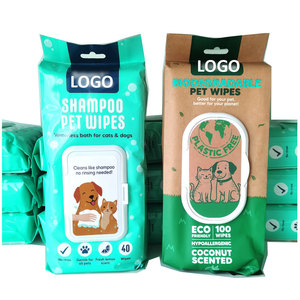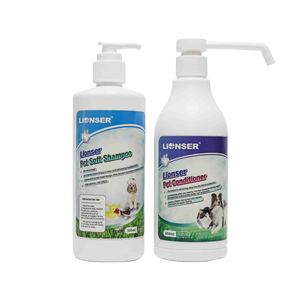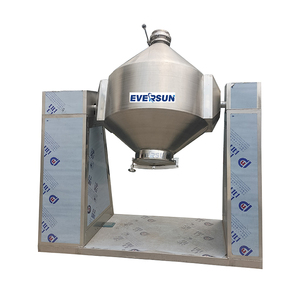
Explore our integrated pet dermal care products alongside high-capacity emulsification, powder blending, and automated packaging production equipment built for global brand scalability.
A rigorous examination of trans-epidermal water loss (TEWL), canine hyperkeratosis, lick-safe lipid thermodynamics, and physiological lipid replenishment in veterinary skincare manufacturing.
Unlike human skin, which boasts an acid mantle of pH 4.5–5.5 and a stratum corneum 10–15 cell layers thick, canine epidermis is distinctly vulnerable: it measures just 3–5 cell layers thick with a neutral-to-alkaline physiological pH ranging from 6.2 to 7.5.
This neutral pH makes canine skin dramatically more permeable to microbial invasion (such as Malassezia pachydermatis and Staphylococcus pseudintermedius). Our OEM pet balm development avoids common human emollients that induce keratolytic breakdown, prioritizing non-comedogenic barrier fortifiers.
Pet balms function primarily as anhydrous (waterless) occlusive barrier systems. Preventing graininess—known in lipid chemistry as fat bloom or polymorphic re-crystallization—requires exacting eutectic balancing between high-melting-point waxes and fluid plant oils.
By coupling yellow beeswax (cera alba) or vegan candelilla/carnauba complexes with fractionated coconut triglycerides and virgin butyrospermum parkii (shea butter), our controlled cooling crystallization tunnels guarantee a microcrystalline lipid network that melts at canine paw body contact (32°C–34°C) without sticky residue.
Canine and feline grooming compulsions demand that 100% of the non-volatile compounds in topical balms meet oral food-grade or Generally Recognized As Safe (GRAS) status under 21 CFR regulations.
We eliminate zinc oxide (which causes hemolytic anemia upon chronic licking), toxic essential oil fractions (such as tea tree, pennyroyal, and wintergreen containing methyl salicylate), synthetic parabens, and petroleum mineral oils. Instead, stabilization relies exclusively on non-GMO mixed d-alpha tocopherols and organic rosemary leaf extract.
| Formulation Parameter | Standard Human Topical Balms | OEM CE-Certified Veterinary Pet Balm | Physiological Impact on Canines/Felines |
|---|---|---|---|
| Target Physiological pH | pH 4.5 – 5.5 (Acidic mantle stabilization) | pH 6.5 – 7.4 (Buffered or Anhydrous Inert) | Prevents severe epidermal irritation, micro-fissuring, and secondary yeast colonization. |
| Carrier Lipid Profile | Mineral oil, paraffinum liquidum, lanolin | Cold-pressed hemp seed, meadowfoam, jojoba, babassu | Delivers essential linoleic (Omega-6) & alpha-linolenic (Omega-3) acids for lipid envelope repair. |
| Thermal Melting Point | 37°C – 42°C (Formulated for human body heat) | 31°C – 34°C (Tailored for canine paw digital pads) | Ensures immediate glide upon application without drag across irritated hyperkeratotic fissures. |
| Preservative Strategy | Phenoxyethanol, ethylhexylglycerin, parabens | Waterless 100% active matrix, botanical tocopherols | Zero microbiological propagation vector; eliminates toxic metabolic accumulation via oral ingestion. |
| Packaging Compatibility | PET, generic tinplate, untreated polystyrene | Food-contact grade aluminum tins, PCR paperboard, airless twist-up sticks | Prevents volatile lipid degradation, oxygen permeation, and container leaching during global transit. |
Unlocking international markets requires navigating the intersection of veterinary topical classifications, European conformity benchmarks, and comprehensive supply-chain traceability.
While standard cosmetic products in the EU adhere to Regulation (EC) No 1223/2009, animal grooming and dermal balms fall under general product safety directives or the Veterinary Medical Device / Care classification depending on therapeutic claims.
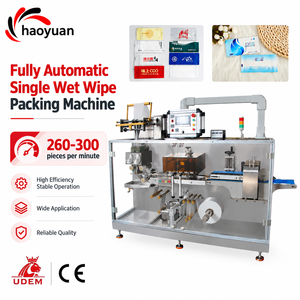
For automated packaging and production lines—such as our wet wipe and tube packaging machines—CE certification under the Machinery Directive 2006/42/EC and Low Voltage Directive 2014/35/EU proves our hardware conforms to uncompromising European health, safety, and environmental protection standards.
Every batch departing our factory undergoes accelerated stability testing aligned with ICH guidelines: 3 months at 40°C with 75% Relative Humidity, validating a minimum 36-month real-world shelf stability.
Furthermore, analytical protocols encompass heavy metal screening via Inductively Coupled Plasma Mass Spectrometry (ICP-MS) to ensure Lead (<2ppm), Arsenic (<1ppm), Mercury (<0.1ppm), and Cadmium (<0.5ppm) remain far below the most stringent international pharmacopeia limits.
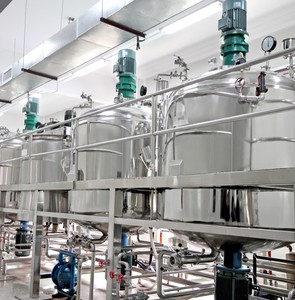
Operated within an ISO Class 7 (Class 10,000) cleanroom environment, our vacuum emulsification reactors and hot-melt dosing lines prevent environmental airborne particulates from compromising high-fat matrices.
Automated nitrogen-purging heads flush tinplate and tube containers immediately prior to dosing, dropping headspace oxygen levels below 0.8% to inhibit lipid peroxidation throughout distribution across transatlantic freight routes.
Stay ahead of evolving consumer preferences, regulatory tightenings, and raw material innovations reshaping the pet health and personal care landscape.
Modern pet guardians prioritize "skin barrier repair" concepts pioneered in luxury human cosmetics. Procurement directors are actively requesting formulations infused with postbiotic ferment lysates and ceramide complexes (NP, AP, EOP) designed to replenish the paw stratum corneum without disrupting commensal flora.
Our R&D teams have validated heat-stable, oil-dispersible lactobacillus ferment fractions that survive hot-fill manufacturing temperatures up to 75°C, yielding unprecedented therapeutic claims for dry paw hyperkeratosis.
With the European Union's Packaging and Packaging Waste Regulation (PPWR) mandating 100% recyclable packaging by 2030, pet retail distributors are ditching multi-layer laminate sticks. Procurement demand has swung sharply toward monomaterial aluminum screw-top canisters and 100% FSC-certified push-up kraft tubes lined with plant-based wax barriers.
Our filling operations support fully automated push-up paperboard tube filling, maintaining leak-free seal integrity while delivering consumer-facing plastic-free certifications.
Global climatic extremes have triggered bifurcated SKU development: high-melting-point (38°C) summer formulations designed to shield footpads against blazing urban asphalt radiant heat (up to 60°C), alongside low-temperature flexible winter balms that repel road salts, prevent ice clumping between toes, and resist crystallization in sub-zero alpine conditions.
Contract buyers increasingly license both seasonal SKUs to maintain steady retail cash flow across North America, Scandinavia, and Australasia.
Combining world-class formulation chemistry with industrial-scale filling capacity and verifiable global ethics certifications.
At Reforma Group, our Southfield, Michigan facilities deliver turnkey manufacturing across personal care, beauty, pet, and household segments. We engineer clean formulations with the fewest possible ingredients to achieve maximum purity, safety, and margin performance.
 cGMP Certified
 USDA Organic
 COSMOS Organic
 Soil Association
 SMETA Audit
 FDA Registered
 EPA Compliant
Critical answers for sourcing managers, contract procurement executives, and retail brand directors qualifying our factory capabilities.
Consult with our lead chemical engineers and supply chain specialists today. Let us tailor a high-performance, CE-compliant, clean-label formulation engineered for global retail dominance.