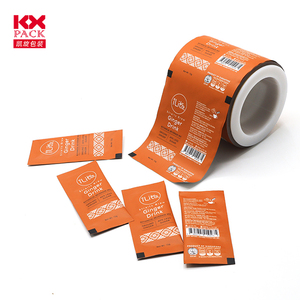
Explore our export-certified single-dose sachets, stick packs, multi-barrier laminated pouches, and automated turnkey packaging machinery engineered for zero-defect barrier protection.
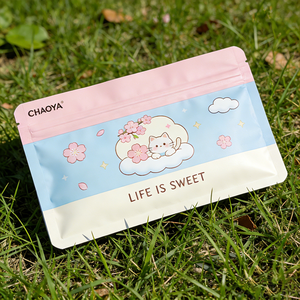
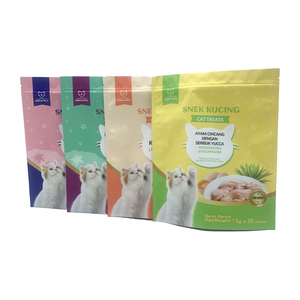
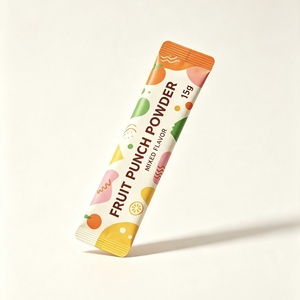
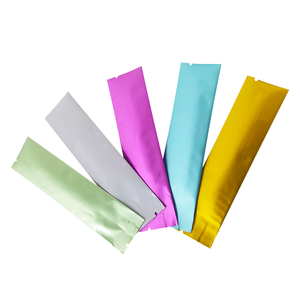
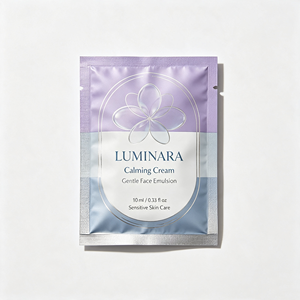
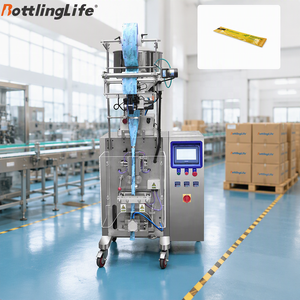
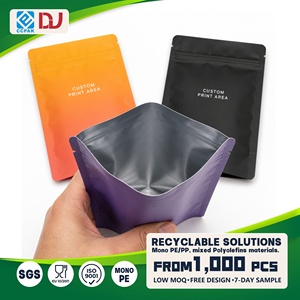
Combining the technical rigor of cleanroom cosmetic and pharmaceutical filling with massive Asian supply chain economies of scale, our manufacturing footprint eliminates supply chain bottlenecks for cross-border brand owners.
Sachet packaging integrity begins at the molecular barrier level. Our facilities feature Class 100,000 cleanrooms dedicated to liquid, cream, gel, and powder packing, adhering strictly to ISO 22716 and cGMP hygiene protocols.
We do not merely convert empty pouches; we provide fully integrated contract manufacturing. Our in-house research laboratory and bulk compounding tanks handle viscosity ranges from free-flowing energy drinks to dense emulsions.
With an array of multi-lane high-speed form-fill-seal (VFFS) systems operating at up to 400 sachets per minute per line, we deliver swift turnaround times for both urgent promotional trial runs and retail replenishment programs.
A technical overview for procurement officers and packaging engineers on how layer co-extrusion parameters dictate product shelf stability and prevent chemical delamination.
When the active formulation contains highly volatile essential oils, retinoids, or moisture-sensitive hydrolysed powders, pure aluminum foil (AL 7μm - 9μm) remains the gold standard. Biaxially Oriented Polyamide (BOPA/Nylon) provides exceptional puncture resistance against flex-cracking during international container transits, driving Oxygen Transmission Rates (OTR) down below measurable thresholds (< 0.01 cc/m²/day).
Vacuum Metallized Polyester (VMPET) delivers 85-90% of the barrier performance of solid foil at a 30% reduction in substrate weight and material expense. Ideal for single-serve instant coffee, powdered electrolytes, and standard personal care trial packets where a 12-to-18 month commercial shelf life is required under normal room temperature storage conditions.
For brands demanding product visibility through clear sachet windows without sacrificing barrier integrity against oxidation. Ethylene Vinyl Alcohol (EVOH) co-extrusion provides an ultra-dense molecular matrix capable of blocking hydrocarbon transmission while allowing vivid color transmission of vibrant syrups, honey formulations, or decorative cosmetic suspensions.
How progressive brand buyers are navigating geopolitical shifts, extended producer responsibility (EPR) regulations, and consumer micro-dosing demands to safeguard supply resiliency.
Global regulatory bodies (such as the EU Packaging and Packaging Waste Regulation - PPWR) are penalizing unrecyclable multi-material laminate combinations (e.g., PET bonded with AL and PE). The future belongs to Mono-Material PE (MDO-PE/PE) and Mono-Material PP structures. By utilizing Machine Direction Orientation (MDO), modern mono-PE films match the tensile stiffness and thermal print resistance of conventional PET while passing seamlessly through standard municipal recycling sorting streams (Code 4 PE).
Traditional rotogravure printing imposes high cylinder engraving costs and steep MOQs (often 50,000 to 100,000 units per artwork variation). Procurement teams are migrating to digital web printing for initial product sampling, niche SKU launches, and multi-language geographic trials. Digital sachet printing eliminates plate fees entirely, slashing pre-production design cycles from 4 weeks down to 5 working days, while facilitating variable-data serialization for anti-counterfeit verification.
Consumers reject sachets that tear unevenly or cause liquid splatter upon opening. Future sachet architectures incorporate precision laser perforation scoring and directional micro-nozzles. Whether formulated for concentrated skincare actives, pharmaceutical suspension syrups, or gourmet condiments, controlled-pour stick packs ensure ergonomic single-handed dispensing with zero spillage, cementing brand loyalty through superior tactile user experience.
High-value single-serve sachets in clinical dermatological and nutraceutical markets are increasingly carrying dynamic QR or near-field communication (NFC) identifiers printed directly onto the barrier substrate. This enables lot-by-lot cold chain temperature traceability, direct-to-consumer digital engagement, batch verification, and real-time gray market diversion detection across cross-border distribution networks.
Modern procurement directors are eliminating the operational friction of shipping raw bulk formulations across borders for downstream contract packing. By centralizing raw material procurement, cleanroom custom blending, multi-lane sachet packaging, secondary box cartoning, and palletized ocean freight dispatch under one single accountable China manufacturer, brands reduce total landed unit costs by 28% to 42%.
Comprehensive engineering and commercial answers addressing common technical queries encountered by global sourcing managers, packaging engineers, and QA auditors.
For custom printed rollstock or pre-formed sachets produced via high-definition rotogravure printing, minimum order quantities generally range from 30,000 to 50,000 units per SKU, dictated by the minimal mechanical master-roll setup of high-speed laminating lines. However, for digital printing programs or initial commercial market validation, our minimum run begins at just 5,000 to 10,000 units, significantly lowering inventory risk for emerging brands.
Certain ingredients—such as free salicylic acid, alpha hydroxy acids, alcohol carriers, and high-concentration citrus essential oils—can aggressively migrate through standard PE sealing layers and chemically attack standard polyurethane lamination adhesives, leading to film separation (delamination). We conduct accelerated compatibility incubation at 45°C with 75% relative humidity for 60 days, utilizing solvent-free aliphatic or co-extruded tie-layer barrier resins (such as EAA or Surlyn) to guarantee permanent bond integrity.
A 3-side seal sachet is folded along one edge and sealed on the remaining three, maximizing fill volume relative to film consumption. A 4-side seal provides a completely flat, perfectly symmetrical perimeter with superior burst resistance, preferred for pharmaceutical tablets and diagnostic test strips. A stick pack is a tubular format sealed with a vertical fin/lap seal and two cross-end seals; it uses up to 35% less packaging film than a 4-side sachet of equivalent volume and offers superior pouring ergonomics for narrow-neck beverage bottles.
Every commercial production batch undergoes strict ASTM testing protocols. We deploy ASTM F2338 (vacuum decay leak detection) and ASTM D3078 (bubble emission test under methylene blue immersion) to verify hermetic seal tightness down to 5 microns. Furthermore, tensile seal strength testing (ASTM F88) is continually logged across our inline QA process to ensure end seals withstand internal hydrostatic pressure during air freight depressurization and rough logistics handling.
Yes. For oxygen-sensitive formulations such as probiotics, infant milk formulas, and unrefined botanical antioxidants, our multi-lane VFFS packaging lines are fitted with closed-loop modified atmosphere packaging (MAP) nitrogen injection systems. This process displaces ambient headspace oxygen, maintaining residual oxygen levels below 1.5% (and down to < 0.5% upon request), effectively eliminating oxidation-induced flavor degradation and active ingredient potency decay.
Our manufacturing sites operate in strict alignment with international quality and ethical standards. We maintain active certifications including ISO 9001 (Quality Management), ISO 22716 / cGMP (Cosmetics Good Manufacturing Practice), FDA Food Facility Registration, and SMETA (Sedex Members Ethical Trade Audit) 4-Pillar compliance. All contact films comply fully with EU Regulation (EC) No 1935/2004, US FDA 21 CFR 177.1520, and REACH SVHC declarations.
For custom gravure printed projects, cylinder engraving and initial drawdown proofs require 7 to 10 days. Mass film extrusion, lamination, and curing take approximately 12 to 14 days, followed by automated filling, cartoning, and final QA release in 7 days. Total factory production lead time is typically 25 to 30 calendar days for initial orders (reduced to 18 to 21 days for repeat replenishment batches). Sea freight transits to North American and European ports average 18 to 30 days depending on port of call.
Our filling equipment integrates interchangeable servo-metering systems. For low-viscosity solutions (such as toners, liquid supplements, and beverages), we utilize magnetic flow meters or positive displacement peristaltic pumps that prevent micro-dripping on seal areas. For high-viscosity pastes, heavy ointments, or chunky fruit jams, we deploy double-jacketed heated hoppers with positive shut-off diving rotary valves to ensure clean seal edges free of product entrapment.
Yes. For pharmaceutical compounds, household chemicals, or concentrated laundry detergents, we engineer child-resistant multi-step tear designs certified under 16 CFR § 1700.20 standards. These structures eliminate standard easy-tear notches, requiring specific scissor cuts or a dual-action push-and-slide motion, ensuring consumer household safety without compromising barrier longevity.
A complete turnkey solution includes multi-count downstream collation. We provide automated multi-count carton packing (e.g., 10, 14, 28, or 30 sachets per printed retail tuck box), heat-sealed transparent polybag grouping, master shipper corrugated boxing with corner board protection, and robotic palletization conforming to Amazon FBA or international big-box retail pallet dimensions.
Whether you require custom high-barrier film rollstock, contract formula filling in cleanroom environments, or end-to-end global supply chain manufacturing, our technical engineering team is ready to analyze your formulation and supply requirements.
Contact Us