



Strategic Procurement Whitepaper: De-risking Beauty Brand Development in Volatile Global Markets
Over the past decade, the global beauty, personal care, and institutional cleaning markets have experienced a tectonic paradigm shift. Brand owners, beauty tech innovators, and enterprise procurement executives are discovering that the traditional playbook—fragmented supplier sourcing across low-cost overseas jurisdictions—now incurs catastrophic hidden liabilities: inconsistent lot-to-lot viscosities, unexpected heavy metal and phthalate contamination, fragile transoceanic supply lanes, and stringent legal accountability under recently enacted regulations such as the US Modernization of Cosmetics Regulation Act (MoCRA).
In this climate of elevated accountability, selecting a brand development factory is no longer a simple transactional purchase order for bulk liquids. It represents the delegation of your brand equity to an operational proxy. Leading direct-to-consumer (DTC) digital brands, luxury spa lines, and national omnichannel retail groups require a Contract Development and Manufacturing Organization (CDMO) that provides deep institutional chemistry expertise, ironclad regulatory validation (cGMP, FDA registration, EPA compliance), and transparent traceability across every raw active in the formulation matrix.
Future Beauty & Personal Care Sourcing Trends (2025–2030)
Procurement directors and venture-backed brand founders must plan their SKU roadmaps around forward-looking industry shifts. Through comprehensive analysis of supply chains, active ingredient pipelines, and retail retailer requirements (such as Target Clean, Sephora Clean, and Credo standards), our R&D team highlights three macro trends dominating beauty procurement over the next five years:
Anhydrous & Waterless Chemistry
Rising freight tariffs and corporate ESG carbon-reduction mandates are accelerating the transition toward concentrated, anhydrous formulas. Eliminating up to 80% of aqueous filler drastically reduces shipping weights, limits preservative load requirements, and maximizes active potency.
Dual-Sourced Domestic Nearshoring
Enterprises are mitigating geopolitical friction by maintaining secondary and tertiary manufacturing lines in domestic facilities. Maintaining production within our Southfield, Michigan facility guarantees supply continuity when transpacific logistics experience shockwaves.
Clean-Label Surfactant Substitution
Aggressive phase-outs of ethoxylated surfactants (which produce 1,4-dioxane byproducts) have prompted rapid reformulations. We engineer sophisticated amino acid and polyglucose surfactant bases that achieve rich lather profiles while remaining non-irritating and eco-benign.
Technological Formulation Evolution: Skin Barrier Architecture & Precision Blending
Modern consumers are far more scientifically literate than previous generations. They scrutinize the International Nomenclature of Cosmetic Ingredients (INCI) list before purchasing, favoring clinically active compounds backed by rigorous biochemical testing. Consequently, our factory concentrates research on three groundbreaking formulation disciplines:
1. Biomimetic Lipid Emulsions & Cutaneous Microbiome Support
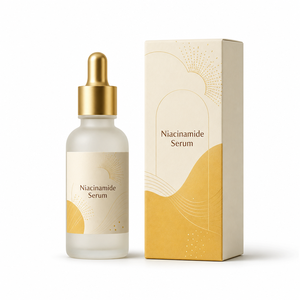
Legacy creams frequently utilized heavy occlusives like mineral oils and petrolatum, which, while functional, compromise skin breathability and fail to rebuild cellular structures. Our custom-blending line creates multi-lamellar lipid emulsions that mirror the natural 3:1:1:1 physiological ratio of ceramides, cholesterol, free fatty acids, and phytosphingosine. This structural synergy allows topical actives like stabilized Niacinamide and Botanical Peptides to penetrate deeply through intercellular pathways without triggering barrier distress or inflammatory responses.
2. Micro-Fluidization & Low-Shear Active Encapsulation
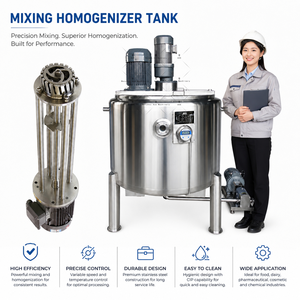
Thermolabile botanicals, herbal extracts, and delicate anti-oxidants degrade rapidly under outdated high-temperature mixing methods. By employing advanced high-shear micro-fluidization in our dedicated batching tanks, our chemical engineers produce uniform nano-emulsions with droplet diameters under 150 nanometers. This mechanical precision drastically extends active shelf stability, prevents ingredient phase separation, and eliminates the need for harsh synthetic thickeners and emulsifiers.
3. High-Throughput Robotic Tube & Bottle Filling Technology
Manufacturing perfection extends beyond the kettle into filling and closure lines. In personal and baby care, micro-bacterial contamination frequently occurs at the packaging nozzle. Our automated, enclosed filling stations operate under HEPA-filtered positive pressure environments. With volumetric accuracy tolerances within ±0.2% and hermetic ultrasonic tube sealing, our lines ensure every unit delivered to your distribution network remains completely sterile and leak-proof across changing air-freight pressure differentials.