
Integrate bespoke liquid blending, powder synthesis, and high-efficiency primary packaging lines engineered to scale facility hygiene portfolios from launch trials to institutional volume.
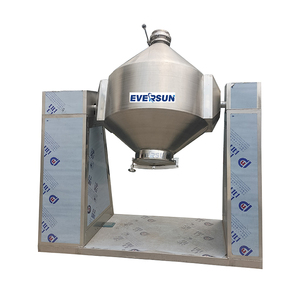
Designing commercial cleaning chemistries for Jakarta and the broader Special Capital Region requires solving unique physical-chemical stress points: ambient humidity exceeding 85%, variable water hardness across municipal ground networks, and stringent post-wash residue thresholds.
Groundwater profiles in northern and western Jakarta frequently exhibit dissolved calcium and magnesium concentrations exceeding 180 ppm CaCO3. Our chemical design utilizes biodegradable tetrasodium GLDA (L-glutamic acid, N,N-diacetic acid) and methylglycinediacetic acid (MGDA) chelating builders. This prevents soap scum precipitation, scale redeposition, and surfactant inactivation without relying on banned phosphates.
Institutional warehouses across Marunda and Cakung encounter ambient interior temperatures hovering between 32°C and 38°C. We integrate robust hydrotropic stabilizers (such as sodium xylene sulfonate) and broad-spectrum non-formaldehyde biocide complexes, preventing phase separation, surfactant clouding, or microbial contamination across extended supply lines throughout Java.
Addressing freight inefficiencies across the Indonesian archipelago, we formulate industrial cleaning agents at ultra-concentrated dilution ratios (1:64 up to 1:256). High active ingredient loading (up to 45% solids) dramatically slashes secondary packaging weight and reduces the landed chemical cost per usable liter for facility managers.
From Grade-A commercial towers along the Sudirman-Thamrin corridor to heavy industrial food manufacturing complexes in Cikarang, custom cleaning solutions demand precise formulations aligned with operational friction points.
Sudirman, SCBD, and Kuningan corporate high-rises require low-VOC, zero-residue floor finish maintainers, neutral stone cleaners, and automated scrubber-dryer fluids. Our neutral pH formulations (6.5–7.5) protect high-traffic marble and imported porcelain tiles from etch rings while eliminating slipperiness hazards in humid building entryways.
Central Jakarta’s luxury hospitality operations and cloud-kitchen hubs encounter massive grease deposition from continuous wok frying and palm oil frying processes. We synthesize enzymatic degreasers combined with potassium hydroxide saponifiers that liquefy polymerized animal fats without attacking aluminum hood filters or leaving corrosive vapor trails.
Private hospital systems across South and West Jakarta demand broad-spectrum quaternary ammonium compound (QAC) disinfectants (fifth-generation dual-chain dialkyl quats) effective against enveloped viruses, MRSA, and persistent fungal spores within 3-minute dwell times, maintaining surface neutrality on patient monitors and surgical-grade vinyl flooring.
In the beverage and dairy production belts of Pulogadung and Karawang, our low-foaming, nitric-free descaling agents eliminate mineral milkstone and organic biofilms. Tailored conductivity tracking ensures seamless compatibility with automated clean-in-place sensor monitors, minimizing wash cycle downtime.
Continuous thermal inversion and high atmospheric particulate matter (PM2.5) in the Jakarta basin choke commercial air handling units. We formulate self-rinsing, non-caustic aluminum coil cleaners that strip dense biological grime without embrittling delicate heat exchanger fins, preserving building energy efficiency.
Serving automotive plants in Sunter and port machinery at Tanjung Priok, our solvent-free aqueous degreasers emulsify heavy crude lubricants, asphalt residues, and synthetic cutting oils. They offer integrated ferrous corrosion inhibitors, providing short-term flash rust protection between machining stages.
Standardize facility operations by choosing specialized surfactant bases and catalytic builders matched to targeted contaminant categories.
| Formulation Category | Surfactant / Active Base | pH Range | Target Substrate / Soil Type | Regulatory Alignment |
|---|---|---|---|---|
| Heavy Alkaline Degreaser | Potassium Hydroxide, Alkyl Polyglucosides (APG), Sodium Metasilicate | 12.5 – 13.5 | Carbonized grease, polymerized vegetable oils, engine oil | Kemenkes PKRT Kelas 2, Halal Assurance HAS 23000 |
| Enzymatic Restroom Descaler | L-Lactic Acid, D-Glucopyranose Oligomers, Protease Catalysts | 2.0 – 3.0 | Uric acid salt crystals, calcite hard-water stains, soap curds | Readily Biodegradable, OECD 301D, Non-Fuming |
| Broad-Spectrum Surface Quat | Twin-Chain Didecyl Dimethyl Ammonium Chloride (DDAC) | 7.0 – 8.5 | Pathogenic bacteria, fungal spores, enveloped viruses | EPA Registered Efficacy Standards, EN 1276 |
| Neutral Floor Maintainer | Ethoxylated Alcohol Complex, Polycarboxylate Dispersant | 6.8 – 7.4 | Fine atmospheric silt, footwear scuffs on terrazzo & granite | Slip-Resistant ASTM D2047, VOC-Compliant |
| CIP Food-Contact Sanitizer | Peracetic Acid (PAA), Food-Grade Hydrogen Peroxide Matrix | 1.8 – 2.4 | Dairy stone, yeast films, bio-membrane buildup in stainless tanks | No-Rinse Clearance, 21 CFR 178.1010 Compliant |
Navigating the institutional cleaning market in Jakarta requires moving beyond legacy solvent blending toward strict regulatory compliance, transparent supply chain auditing, and verified low-carbon footprints.
All institutional cleaning and disinfectant chemicals distributed in Indonesia must secure Perbekalan Kesehatan Rumah Tangga (PKRT) registration under the Ministry of Health (Kemenkes RI). We engineer custom formulations with the safety, toxicological dossiers, and microbial challenge data required to streamline Kelas 1, Kelas 2, or Kelas 3 PKRT market clearances.
Under Indonesian Law No. 33/2014, cleaning agents used across food processing, hotels, and institutional catering increasingly require strict Halal certification. Our manufacturing plants maintain zero cross-contamination protocols, ensuring our surfactants, emulsifiers, and functional solvents are 100% free from animal-derived or prohibited substances.
Commercial building operators in Jakarta are rapidly deploying green-building certification frameworks (such as EDGE and Greenship GBCI). Traditional phosphate and NPE surfactants are being replaced with plant-derived, readily biodegradable alternatives that protect local watersheds and municipal sewer networks from eutrophication.
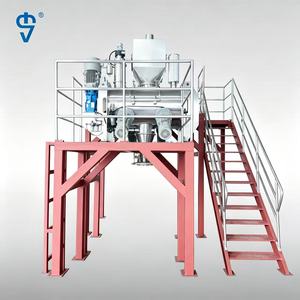
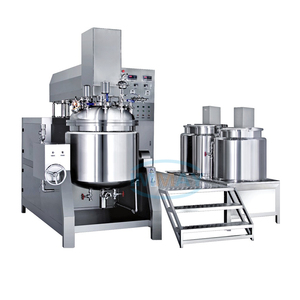
From initial chemical modeling and high-shear custom blending to filling and distribution logistics, our infrastructure removes supply chain friction for global and regional brands.
We eliminate filler salts, superfluous dye complexes, and unnecessary stabilizing polymers. Formulating with fewer, higher-potency active molecules yields clean, highly effective commercial chemistries that lower total packaging weight and maximize active yield.
Our industrial production lines support high-viscosity gels, multi-phase emulsions, and water-thin liquids. With filling capabilities ranging from small squeeze bottles and industrial spray tubes up to 5-gallon commercial carboys and 200-liter bulk drums, we seamlessly scale with your brand.
Our laboratory strictly rejects animal testing across every product line. We validate human safety, skin irritation indices, and surface compatibility using modern in-vitro assays, computer modeling, and real-world non-animal laboratory metrics.
Managing raw material procurement, batch release certification, quality control checks, secondary labeling, and port-to-door delivery. Share your performance specs and destination port, and our operations team handles everything in between.
 cGMP Certified Production
 FDA Compliant Standards
 EPA Chemical Protocols
 SMETA Audited Supply Chain
Common inquiries from Indonesian facility directors, private label brand managers, and commercial procurement heads.
Our contract manufacturing infrastructure adapts to various development stages. Pilot runs for custom formulations start at 1,000 liters (or equivalent units in ready-to-use spray packaging). For institutional packaging (such as 5-gallon carboys or 200-liter drums), commercial production runs generally begin at 3,000 to 5,000 liters per batch, ensuring efficient active ingredient dispersion and cost-effective bulk shipping.
Every commercial cleaning formulation undergoes accelerated stability testing using cyclic environmental chambers set to 40°C and 85–90% relative humidity for 90 days (simulating two years of tropical shelf-life). We also test freeze-thaw recovery cycles to verify that temperature swings during ocean container freight will not cause phase separation, sediment drop-out, or active ingredient breakdown.
Yes. Groundwater extracted across Jakarta varies widely, frequently testing above 150–250 ppm in total dissolved solids (TDS) with elevated iron and calcium carbonate levels. We integrate customized biodegradable chelation systems (including sodium gluconate, GLDA, and modified polycarboxylates) into our formulations. This binds dissolved metal ions on contact, allowing the cleaning surfactants to maintain full foaming and degreasing performance even with hard rinse water.
We provide full technical support documentation, including GHS-compliant 16-section Safety Data Sheets (SDS), Certificates of Analysis (CoA) for each batch, active ingredient assay certifications, non-animal testing declarations, and third-party microbial efficacy test reports (such as EN 1276 and ASTM E2315). This documentation equips your regulatory compliance team to submit complete dossiers for Indonesian Ministry of Health (Kemenkes) PKRT product registrations.
Absolutely. We formulate commercial kitchen degreasers, sanitizers, and CIP system cleaners using raw materials that are completely free from animal fats, derivatives, or ethyl alcohol vectors that might violate BPJPH / HAS 23000 Halal guidelines. Furthermore, our sanitizing formulas use ingredients that comply with FDA 21 CFR 178.1010 for food-contact surface sanitizers, avoiding harmful chemical residues on food prep counters and equipment.
Standard manufacturing times for approved custom formulation batches range from 2 to 4 weeks, depending on order size and packaging configurations. Direct ocean freight transport to the Port of Tanjung Priok, Jakarta typically takes between 22 and 30 days. We also provide full container load (FCL) optimization and export crating, ensuring all containers arrive securely palletized and moisture-protected.
Partner with our chemical formulation engineers to build high-performance, compliant institutional cleaning lines tailored to your operational specifications and target margins in Indonesia.