
Consolidate your beauty supply chain with market-tested, active dermacosmetic formulas. Every batch is manufactured with minimal-ingredient simplicity to guarantee chemical stability in Nairobi and Mombasa retail environments.
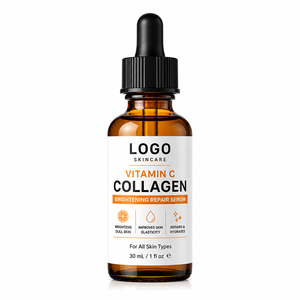
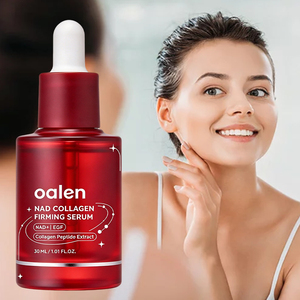
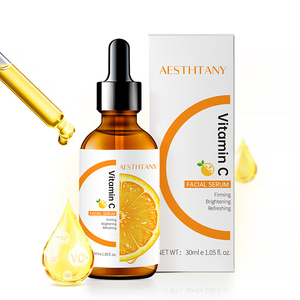
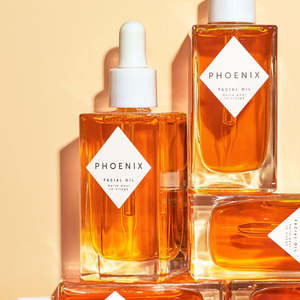
The Kenyan beauty, cosmetics, and personal care ecosystem has emerged as the commercial nexus of East Africa. Driven by rapid urbanization across the Nairobi Metropolitan Area, Mombasa, Kisumu, and Nakuru, consumer purchasing sophistication has pivoted away from generic mass-market imports toward high-performance, ingredient-led dermacosmetic serums. For entrepreneurs, medical aesthetics practitioners, retail pharmacy chains, and direct-to-consumer (DTC) beauty conglomerates, building an authentic, proprietary private label brand offers unprecedented margin resilience and market equity.
Formulating active face and scalp serums for the Kenyan demographic demands a nuanced understanding of dermatological photobiology and local microclimates. The vast majority of domestic end-users present with Fitzpatrick Skin Phototypes IV through VI. While richer in protective eumelanin, these phototypes are genetically predisposed to hyperactive melanogenesis following any form of epidermal trauma, acne eruption, or environmental stress, manifesting as stubborn Post-Inflammatory Hyperpigmentation (PIH) and uneven skin tone.
Furthermore, Kenya's unique geographic topology creates bifurcated cosmetic performance requirements:
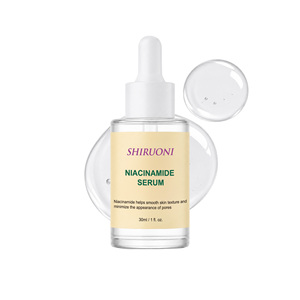
Traditional, unregulated bleaching treatments have damaged countless consumers' epidermal barriers. High demand exists for scientifically validated, non-cytotoxic brightening agents: 2% Alpha Arbutin, 10% Niacinamide, Licorice Root Extract, and Kojic Acid dipalmitate that downregulate tyrosinase enzymatic activity without cellular necrosis or rebound pigmentation.
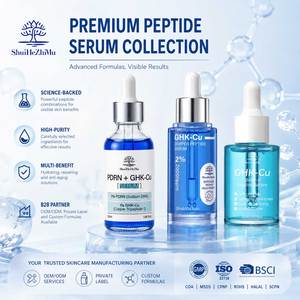
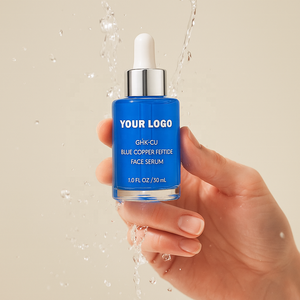
Rapid vehicular transit and infrastructural dust within Nairobi generate elevated levels of suspended particulate matter (PM2.5 and PM10). These free-radical cascades exacerbate micro-inflammation in darker skin. Stabilized Ascorbic Acid combined with Ferulic Acid and Blue Copper Peptides (GHK-Cu) reinforces the cutaneous matrix and prevents premature elastosis.
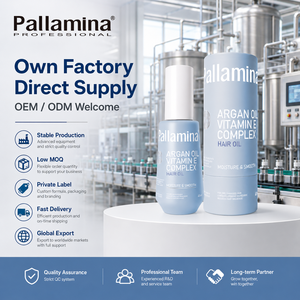
Kenya's natural hair movement represents a major economic segment. Protective hairstyles, braiding, and heat styling create mechanical tension that frequently leads to traction alopecia and dry scalps. Micro-emulsified Argan oil serums rich in linoleic acid, squalane, and vitamin E repair damaged cuticles without heavy mineral oil buildup.
Our Southfield, Michigan R&D facility utilizes clean, minimal-ingredient chemistry specifically adjusted for export to international tropical zones (WHO Climate Zone IVb: 30°C and 75% Relative Humidity). Below is how our contract manufacturing architecture outperforms conventional cosmetic bases:
| Formulation Parameter | Standard Mass Market Serums | Our U.S. Contract Engineered Serums | Specific Benefit for Kenyan Market |
|---|---|---|---|
| Thermal & Viscosity Stability | Synthetic carbomer bases prone to liquid thinning above 32°C. | Cross-linked bio-cellulose & natural sclerotium gum stabilizing systems. | Maintains luxurious droplet viscosity inside shipping containers and un-airconditioned stores. |
| Active Ingredient Bioavailability | Crude Ascorbic Acid prone to rapid browning and oxidation. | Encapsulated or ethylated Ascorbic Acid + Nitrogen purge packaging. | Guarantees 24-month active shelf-life; no oxidative rancidity or customer returns. |
| Preservative System | Harsh parabens, methylisothiazolinone (MIT), or formaldehyde-releasers. | Broad-spectrum bio-ferment systems (Phenoxyethanol + Ethylhexylglycerin). | Fully adheres to KEBS standard KS 1474 without irritating sensitive, melanin-rich skin. |
| Comedogenicity & Vehicle | Heavy mineral oils, isopropyl myristate, pore-clogging silicones. | Lightweight plant squalane, hemi-squalane, and purified water bases. | Zero breakouts in humid coastal climates (Mombasa, Kilifi, Malindi). |
Procurement directors and brand creators operating in Kenya must align with structural marketplace shifts to capture sustained consumer loyalty. Three dominant trends define current high-margin retail expansion:
1. The Professionalization of Aesthetic Salons & Medispas: Nairobi's upscale residential and commercial nodes—including Kilimani, Westlands, Karen, and Lavington—have seen an explosion of specialized dermatology clinics and boutique medispas. These businesses are transitioning away from reselling third-party European or Asian brands with razor-thin margins. Instead, they are commissioning custom-labeled GHK-Cu Copper Peptide, Hyaluronic Acid, and SNAP-8 anti-wrinkle serums to offer patients exclusive post-microneedling and chemical peel recovery regimens.
2. Clean, Radical Ingredient Transparency: Enabled by mobile internet connectivity and digital platforms like TikTok and Instagram, Kenyan beauty shoppers scrutinize ingredient decks. They actively seek formulas labeled "Cruelty-Free", "Vegan", "Paraben-Free", and "Fragrance-Free". Minimal-ingredient formulations—where every component serves a distinct biological function—command premium retail pricing in shopping centers such as Two Rivers, The Hub Karen, and Village Market.
3. Seamless Social Commerce & Mobile Money Integration: The omnipresence of Safaricom's M-Pesa has accelerated direct-to-consumer delivery networks across Kenya. Local skincare brands no longer require nationwide brick-and-mortar shelf space to scale. An agile private label serum line with eye-catching, clinical-aesthetic dropper packaging can launch purely digital, fulfilling customer orders from centralized Nairobi hubs to regional towns within 24 hours.
Reforma Group is a marriage of product innovation and deep market knowledge of the health and beauty industry. As a leading U.S. contract manufacturer operating from our state-of-the-art facility in Southfield, Michigan, we manage your brand's journey under one single roof of accountability—from raw custom blending and certified R&D through high-speed filling, tamper-evident packaging, and worldwide supply chain clearance.
Kenyan consumers place immense value on authentic U.S.-manufactured personal care items. In a marketplace battling counterfeit goods, "Made in USA" signifies uncompromised quality, strict ingredient safety, and ethical manufacturing compliance.
Unregulated products with low-grade fillers jeopardize brand integrity. We engineer our cosmetic serums with the fewest possible ingredients to deliver pure, concentrated efficacy at any price point, drastically reducing consumer irritation rates.
From launch batches for emerging African brands to multi-container replenishment for regional pharmacy distribution networks, our facility operates with daily capacities of up to 65,000 tubes and 150,000 flex units, with packaging up to 5-gallon sizes.
Our Southfield, MI manufacturing plant operates under the world's most rigorous regulatory and social responsibility audit frameworks:
 cGMP ISO 22716
 USDA Organic
 COSMOS Organic
 SMETA Ethical Audit
Essential insights covering KEBS standards, documentation, customs clearance, and shipping from our U.S. facility directly to East Africa.