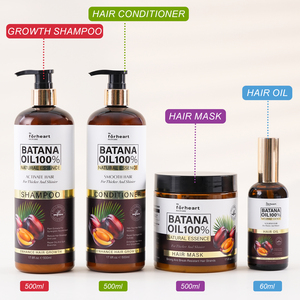

Discover our clinically tested, clean-ingredient product lineup engineered for international commercial distribution. Tailored for retail chains, private labels, and pharmacies across Chile and Latin America.
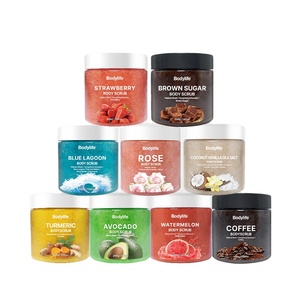
Infant stratum corneum is 30% thinner than adult epidermis, rendering neonates and toddlers particularly vulnerable to trans-epidermal water loss (TEWL) and irritant contact dermatitis. Designing a soothing baby balm for Chile requires accounting for one of the planet's most extreme latitudinal spans.
From the bone-dry hyper-arid Atacama Desert in Antofagasta to the subpolar squalls of Punta Arenas in Magallanes, Chilean infant skin faces radical atmospheric shocks. Commercial balms must provide an immediate occlusive lipid film that seals moisture without asphyxiating developing sebaceous pores or triggering dysbiosis in delicate neonatal microflora.
At our Southfield, Michigan manufacturing center, our dermatological chemists craft customized anhydrous balms, water-in-oil (W/O) protective barrier ointments, and colloidal soothing emulsions. Guided by our minimal-ingredient philosophy, we exclude artificial fragrances, phthalates, parabens, mineral oils, phenoxyethanol, and endocrine-disrupting chemicals. Every batch balances restorative ceramides, soothing non-nano zinc oxide, colloidal oatmeal (Avena Sativa), and cold-pressed botanical squalane.
Relative air humidity frequently plummets below 10%, coupled with extreme UV index values (11+). Infant skin experiences severe dehydration, xerosis, and micro-fissuring of the lip and cheek boundaries.
Thermal inversions trap urban particulate matter (PM2.5 and PM10) during winter months, exacerbating infantile atopic dermatitis, diaper rub, and inflammatory reactions.
Sub-zero maritime gale winds and relentless indoor convection heating cause rapid moisture stripping, facial redness, windburn, and painful chapping in infants.
Our contract R&D laboratory offers Chilean distributors, pediatric brands, and private label retailers three distinct, shelf-stable balm formulations optimized for stability in maritime transport and varying regional altitudes.
| Formulation Parameter | Anhydrous Intensive Rescue Salve | Clinical Diaper Barrier Ointment | Microbiome-Support Daily Emulsion |
|---|---|---|---|
| Primary Target Indication | Extreme facial chapping, windburn, dry eczema plaques | Diaper dermatitis, moisture-associated skin damage | Full-body neonatal conditioning, daily TEWL prevention |
| Key Active Ingredients | Organic Butyrospermum Parkii, Squalane, Bisabolol | 15% Non-Nano Zinc Oxide, Calendula, Panthenol (Pro-Vit B5) | Oat Beta-Glucan, Phytoceramides, Lactobacillus Ferment |
| Texture & Sensorial Profile | Rich balm, melts on skin contact, hydrophobic barrier | Opaque protective paste, high stay-in-place adherence | Silky water-in-oil whipped cream, fast absorption |
| Preservative Architecture | 100% Self-preserving (Zero-water activity, Aw < 0.6) | USP Anhydrous base / Natural antimicrobial system | ECOCERT-compliant potassium sorbate / sodium levulinate |
| Packaging Compatibility | Laminated tubes (30-100ml), wide-mouth PP/PET jars | Aluminum barrier tubes, airless pump dispensers | Cosmetic flex tubes (up to 250ml), flip-top bottles |
| ISP Chile Dossier Status | Formula Safety Dossier & Toxicological Profile ready | Heavy metal testing, USP 51/61/62 micro-challenge ready | Stability validated at 40°C / 75% RH (Zone IV testing) |
Chile stands as one of South America's most affluent personal care markets per capita, with distinct consumer behavior governed by informed purchasing, dermatological recommendations, and demand for sustainable formulations.
In recent years, the Chilean baby skin care segment has shifted dramatically away from fragranced mass-market talcs and mineral-oil baby lotions. Driven by Chilean pediatric associations and educated millennial parents, purchasing choices are dominated by the pharmacy channel—specifically through national powerhouses including Farmacias Cruz Verde, Farmacias Ahumada, and Salcobrand, alongside premium supermarket chains such as Jumbo (Cencosud).
Procurement directors and brand creators must adapt to five macro-trends transforming the retail shelves of Santiago, Viña del Mar, and Antofagasta:
Importing cosmetics into Chile requires compliance with the Instituto de Salud Pública (ISP). Partnering with a vetted US cGMP manufacturer removes regulatory friction, ensuring compliant formulations, audit-ready documentation, and expedited customs entry.
Under Decreto Supremo Nº 239/02 of the Chilean Ministry of Health (MINSAL), cosmetic and infant topical products must obtain either a Cosmetic Registration (Registro Cosmético) or Sanitary Notification (Notificación Cosmética) before commercialization. Furthermore, formulas targeting infants younger than 3 years undergo scrutiny regarding ingredient cytotoxicity, microbiological preservation (absence of Pseudomonas aeruginosa, Staphylococcus aureus, and Candida albicans), and stability testing under Climatic Zone IV parameters (40°C ± 2°C / 75% RH ± 5% RH).
At Reforma Group, our Southfield, Michigan facility provides end-to-end technical documentation packs tailored to streamline your ISP approval process:
Formulating with the fewest ingredients possible to deliver the purest, most efficacious baby products on the market. From initial concept blending to automated packaging and maritime dispatch, our operations operate under one roof of accountability.
Reforma Group is a dedicated US private label and contract manufacturing power center. We bridge cutting-edge cosmetic science with scalable industrial efficiency. Operating from our manufacturing complex in Southfield, Michigan, we manage formulation, custom blending, filling, labeling, and international freight logistics.
Unlike unverified contract packagers, we enforce medical-grade purity protocols. Our multi-stage water purification utilizes reverse osmosis, electro-deionization, and UV sterilization. Our production suites run modern filling lines capable of producing up to 65,000 tubes and 150,000 flex units every day, supporting emerging boutique labels, pharmacy store brands, and high-volume national distributors across Chile.

Everything procurement managers, regulatory affairs leads, and brand owners in Santiago, Valparaíso, and Concepción need to know before initiating production.
Upon finalizing your formula and artwork, our regulatory team furnishes the full technical dossier—including Stability Testing (Climatic Zone IV), Preservative Efficacy Testing (USP 51), Certificate of Analysis (CoA), and Certificate of Free Sale (CFS). Chilean regulatory sponsors or legal representatives typically achieve registration through the ISP online portal (GICONA) within 45 to 75 business days.
Because all our baby care formulations are 100% manufactured, compounded, and filled at our Southfield, Michigan facility, they qualify as originating goods under the US-Chile FTA (Tratado de Libre Comercio Chile-EE.UU.). We issue the official Certificate of Origin, enabling Chilean customs agents to clear imports at Valparaíso or San Antonio with 0% ad-valorem import tariffs.
Our standard production MOQ starts at 5,000 to 10,000 units for fully customized formulations and custom printed tube packaging. For established retail chains launching wider product lines, our high-speed automated lines scale up to 65,000 tubes and 150,000 flex units per day, maintaining competitive tiered unit costs.
Maritime ocean freight traversing the equator to Chilean ports (Valparaíso/San Antonio) can experience internal shipping container temperatures surpassing 45°C. We design baby balms with specialized botanical wax eutectics and thermal stabilizers. Each batch undergoes rigorous freeze-thaw thermal cycling tests (-10°C to 45°C across 5 cycles) and centrifuge phase-separation analysis to guarantee zero graininess or syneresis upon arrival.
Yes. In addition to our cruelty-free pledge—Reforma Group never conducts or commissions animal testing—we offer 100% plant-based baby balm formulations that replace conventional beeswax (Cera Alba) with natural candelilla, rice bran wax, and sunflower wax complexes, fully qualifying for PETA, Leaping Bunny, and ECOCERT natural certifications.
The Chilean pediatric market strongly favors high-barrier laminated or aluminum tubes (50ml to 100ml) with tamper-evident induction foil seals, as they minimize microbial contamination during repeated diaper-table use. We also provide airless pump bottles, recyclable monomaterial PP jars, and travel-sized stick balms designed for on-the-go parent convenience.
Partner with an authoritative U.S. cGMP contract manufacturer dedicated to clean-label purity, regulatory speed, and scalable production margins. Connect directly with our formulation chemistry and export engineering team today.