Lab-tested, heat-stable, and formulated specifically to thrive in tropical retail chains, open wholesale hubs, and high-growth e-commerce channels.
A comprehensive examination of physiological skin dynamics, formulation stability under sub-Saharan climatic stresses, and localized consumer expectations.
The Nigerian personal care and cosmetics sector has transitioned from a generic import destination into one of the most sophisticated, high-demand, and discerning markets in the global south. With a population exceeding 220 million individuals—over 60% of whom are under the age of 25—the demand for reliable, high-efficacy cosmetic formulas tailored specifically to the physiological demands of melanin-rich skin and tropical climatic reality is at an all-time peak. For beauty entrepreneurs, pharmaceutical importers, salon distributors, and private label conglomerates operating within Lagos, Abuja, Onitsha, and Kano, partnering with an international contract manufacturer requires an in-depth understanding of localized product performance.
Formulating for Nigeria requires specialized consideration of WHO Climatic Zone IVb conditions (characterized by elevated temperatures up to 40°C paired with persistent relative humidity exceeding 75%). Standard off-the-shelf cosmetics manufactured in temperate climates frequently fail under these conditions—suffering phase inversion, lipid blooming, microbial compromise, and emulsion breakdown during transit through maritime ports such as Apapa and Tin Can Island, or prolonged warehousing in ambient environments. Reforma Group engineers formulations with reinforced rheology, advanced non-greasy emollient esters, and pharmaceutical-grade broad-spectrum preservation systems designed to withstand thermal and atmospheric volatility.
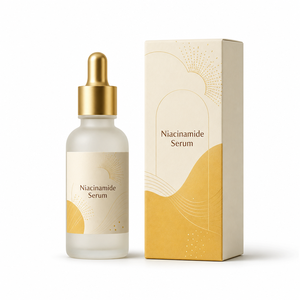
Lagos and coastal urban hubs experience high sweat-rates and heightened sebaceous excretion. Formulations utilize pharmaceutical-grade Niacinamide, Zinc PCA, and ultra-micronized silica to balance sebum synthesis, control surface shine, and refine enlarged pores without dehydrating the dermal barrier.
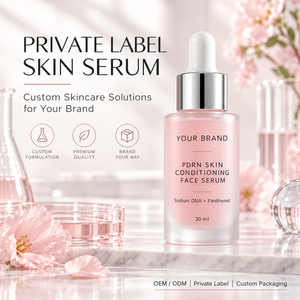
Navigating away from hazardous hydroquinone and mercury adulterations, contemporary Nigerian consumers prioritize safe, biomimetic active brighteners like Alpha Arbutin, PDRN, and Ceramide complexes to resolve hyperpigmentation while fortifying compromised lipid barriers.
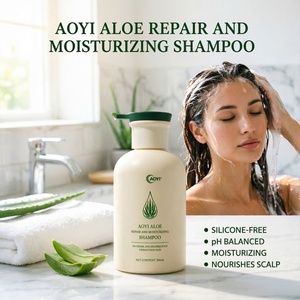
Type 4 (4A–4C) natural and relaxed hair textures require intense moisture retention protocols to combat the desiccating harmattan winds and chemical processing. Our custom Aloe Extract and botanical oil shampoos seal cuticle scales and prevent traction damage.
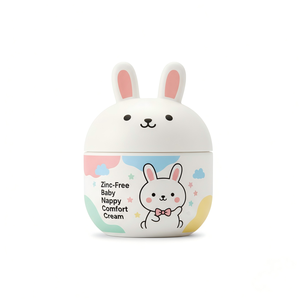
High infant birth rates drive an immense volume in family body care. Patented herbal nappy creams containing biomimetic vernix, panthenol, and pharmaceutical egg yolk oil neutralize urine dermatitis under high heat, providing critical barrier resilience for delicate infant skin.
Understanding shifting consumer purchasing behaviors, retail formalization, and regulatory shifts across West Africa.
Nigerian consumers are increasingly ingredient-conscious, driven by social platforms and dermatological education. The historic prevalence of unlabeled, toxic lightening creams has catalyzed a massive consumer flight toward certified, clinical-grade private labels displaying transparent ingredient decks, cGMP guarantees, and non-comedogenic certifications.
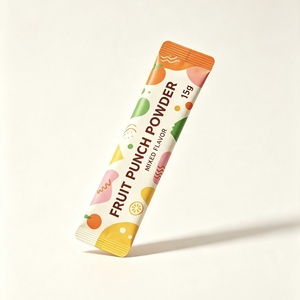
While premium retail boutiques flourish in Victoria Island and Maitama, the vast bulk of FMCG volume thrives in open-market trade hubs like Balogun, Trade Fair, and Onitsha Main Market. Successful brand custodians deploy tiered packaging—from 5-gallon bulk salon formats down to flexible strip packaging and single-use sachets that optimize inventory velocity.
Fluctuations in the Nigerian Naira (NGN) make importing inferior low-margin goods a commercial liability. Progressive beauty enterprises focus on high-margin dermatological, anti-aging, and professional salon formulations where strong customer loyalty and perceptible clinical efficacy allow robust pricing power that insulates against currency devaluation.
Reforma Group operates as an end-to-end contract manufacturing partner dedicated to producing pure, clean, and safe personal care products under rigorous U.S. and global manufacturing standards. Our Southfield, Michigan facility combines deep chemical engineering expertise with high-speed automated output lines capable of filling up to 65,000 tubes and 150,000 flex units per day.
For export programs targeting Nigeria and the broader ECOWAS trade zone, we provide comprehensive technical dossiers to satisfy NAFDAC (National Agency for Food and Drug Administration and Control) requirements, including Certificates of Free Sale (CFS), Certificate of Analysis (CoA), stability verification, and heavy metal screening.
 cGMP Certified
 USDA Organic
 COSMOS Organic
 Soil Association
 SMETA Audit
 FDA Registered
 EPA Compliant
Operational, financial, and regulatory guidelines addressing the primary concerns of procurement directors, pharmacy chains, and brand owners in West Africa.
Navigating NAFDAC registration requires rigorous documentation. Reforma Group furnishes complete regulatory dossiers including notarized Certificates of Free Sale (CFS) from the relevant state/federal authorities, verified Certificates of Analysis (CoA) for all raw materials and finished goods, qualitative and quantitative ingredient declarations (INCI names), microbiological test reports, stability study dossiers (demonstrating stability at 40°C), and a formal Power of Attorney (PoA) authorizing your Nigerian entity as the registered distributor.
Every export formula destined for the West African corridor undergoes accelerated thermal stress testing in stability chambers matching Climatic Zone IVb requirements (40°C ± 2°C / 75% RH ± 5% RH) over 3-month to 6-month cycles. We employ multi-phase emulsifiers, structural polymeric stabilizers, and photostable antioxidant matrices to ensure that serums, lotions, and creams do not separate, discolor, or lose clinical potency during marine transit or ambient warehousing in hot regions.
We accommodate both agile brand launches and established commercial distribution programs. Standard private label formulations start at accessible MOQs (typically 3,000 to 5,000 units per SKU depending on component availability), while fully bespoke custom formulations generally require 10,000 units. Standard production lead times average 4 to 6 weeks from sample approval and raw material arrival, supported by our high-speed automated output lines.
Yes. Recognizing the structural diversity of Nigerian commerce—from high-end dermatological clinics to high-frequency informal open markets—we engineer multi-tiered packaging. Our equipment fills travel tubes, clinical dropper bottles, flex sachets, and large bulk containers up to 5-gallon carboys suitable for professional salon backbars and institutional repacking under local industrial licensing.
We routinely execute international shipments under standard Incoterms, primarily FOB (Free on Board) at US ports or CIF (Cost, Insurance, and Freight) directly to Lagos (Apapa Port or Tin Can Island Container Terminal), as well as air freight consignment to Murtala Muhammed International Airport (LOS) or Nnamdi Azikiwe International Airport (ABV). Our export logistics team coordinates pre-shipment inspections (such as SONCAP/COCOT requirements) and ensures all Bill of Lading documentation is verified prior to dispatch.
We strictly uphold a 100% cruelty-free policy across our entire manufacturing and R&D footprint; no product or base formulation is ever tested on animals. Furthermore, our minimal-ingredient philosophy ensures that formulas exclude harsh parabens, toxic bleaching agents, carcinogenic stabilizers, phthalates, and unnecessary fillers—delivering safe, skin-compatible products that meet the highest international safety benchmarks.
Partner with a premier cGMP-certified cosmetics manufacturer. From custom skin and hair formulations to certified export packaging and NAFDAC documentation support, we accelerate your path to market leadership.