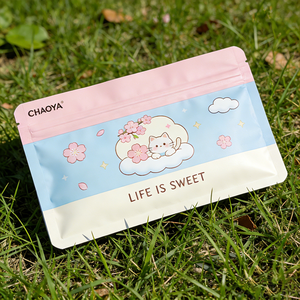
Ultra-high barrier laminated foil pouches engineered for active skincare serums, lyophilized powders, and single-use cosmetic samples with hermetic oxygen isolation.
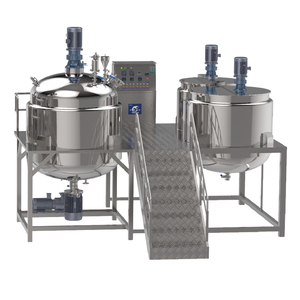
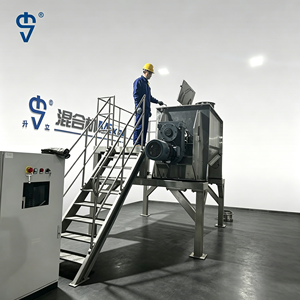
Vacuum emulsification mixer featuring counter-rotating scrape agitation and high-shear bottom homogenizers, compliant with European safety and clean-in-place standards.
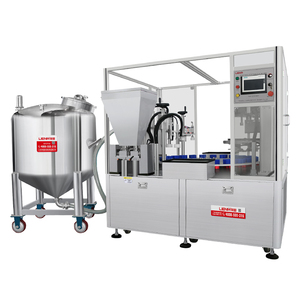
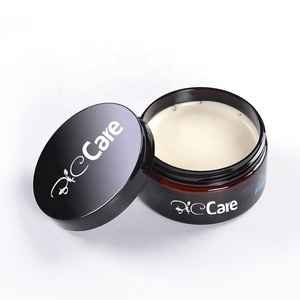
High-viscosity piston dosing and automatic rotary capping system designed for petro-free balms, body butter emulsions, and intensive dermatological creams.
Demystifying "CE Certification" in Skincare Manufacturing
Why enterprise procurement teams require both machinery CE conformity and European Cosmetic Regulation (EC) No 1223/2009 compliance for cross-border brand safety.
1. The Dual-Pillar Framework: CE Machinery Directive vs. Cosmetic Product Safety
In high-volume B2B contract manufacturing, procurement confusion frequently arises around the designation of a "CE Certified Manufacturer." In cosmetic formulation and personal care development, CE marks apply strictly to the industrial synthesis hardware, sanitary processing platforms, automated tube-filling mechanics, and pressure-rated vacuum emulsifiers under the European Union's Machinery Directive 2006/42/EC, Low Voltage Directive 2014/35/EU, and Electromagnetic Compatibility (EMC) Directive 2014/30/EU. A formulation itself does not bear a CE mark; rather, it is legally validated through the rigorous requirements of Regulation (EC) No 1223/2009, requiring a comprehensive Cosmetic Product Safety Report (CPSR Parts A & B) compiled by a certified European safety assessor, toxicological profile verifications, and electronic Cosmetic Product Notification Portal (CPNP) registration.
Partnering with an OEM/ODM provider operating fully certified CE compounding machinery guarantees that the physical contact interfaces (AISI 316L pharmaceutical-grade stainless steel), high-shear impellers, mechanical seals, and automated Clean-in-Place (CIP) systems operate without micro-particulate shedding, mechanical contamination, or electrical arcing. This mechanical integrity is the foundational baseline required to pass international audits, including US FDA 21 CFR 700/701 (MoCRA compliance), ISO 22716:2007 (Cosmetic Good Manufacturing Practices), and stringent European third-party facility evaluations like SMETA (Sedex Members Ethical Trade Audit).
Procurement Insight: When sourcing contract manufacturing for transatlantic supply chains, ensure your supplier can provide both the CE Certificate of Conformity (EN ISO 12100:2010 compliance) for compounding machinery and a complete Product Information File (PIF) featuring real-time challenge testing (ISO 11930) and 3-month accelerated stability data (40°C / 75% Relative Humidity).
65,000
Tubes Filled Daily
Multi-nozzle automated ultrasonic sealing
150,000
Flex Units Daily
Bottles, jars, sachets & barrier pouches
5 Gal
Max Unit Capacity
Supporting retail, salon & bulk commercial
100%
USA Manufacturing
Southfield, Michigan cGMP facility
Minimalist Ingredient Science
Engineering Cleaner Labels with Fewer, Purer Ingredients
We reject unnecessary bulking agents, potential allergens, and greenwashed fillers. Our in-house research chemists formulate according to the principle of maximal thermodynamic bioavailability through minimum components.
Margin Optimization at Target Price Points
From indie direct-to-consumer launches to high-volume big-box retail replenishment, we backward-engineer raw material sourcing, surfactant cascades, and rheology modifiers to hit precise gross margin targets without sacrificing efficacy.
Comprehensive Turnkey Program
Consolidate fragmented vendors under a unified engineering umbrella: Custom R&D formulation, pilot trial batches, vacuum custom blending, tube filling, automated labeling, batch coding, and cold-chain distribution logistics.
100% Cruelty-Free Commitment
We enforce a rigorous zero-animal-testing protocol throughout every tier of our raw ingredient supply matrix. Formulations are clinically evaluated using advanced in-vitro reconstructed human epidermis (RhE) and patch testing.
Technical Comparison: Advanced Engineering vs. Conventional Fillers
Basic Certificate of Analysis (CoA) without international toxicology validation
Batch Scalability
Dynamic scalability: 5,000-unit pilot runs to 150,000+ daily units; up to 5-gal drums
Rigid minimum order quantities (MOQs) with high re-tooling lead times
Supply Chain Traceability
100% domestic US facility (Southfield, MI) with lot-traceable global export documentation
Fragmented multi-tier outsourcing with delayed customs and supply vulnerabilities
Market Intelligence & Forecasting
Future Procurement Trends in Skincare Product Development (2025–2030)
How structural regulatory shifts, biotechnology innovations, and eco-design directives are reshaping global cosmetic procurement contracts.
Microbiome-Safe & Postbiotic Synthesis
Traditional broad-spectrum antimicrobial preservatives are rapidly being replaced by bio-fermented postbiotics (e.g., Lactobacillus ferment lysates) and hurdle technology. Brands are contracting for human skin microbiome-friendly certifications to satisfy dermatological demand for skin barrier restoration.
Waterless & Concentrated Bio-Formulas
To minimize international freight carbon footprint and comply with corporate Scope 3 emissions reductions, procurement teams are shifting purchase orders toward anhydrous balms, lipid concentrates, and lyophilized active wafers reconstituted at point of use.
Monomaterial & Chemical Recyclability
Under the EU Packaging and Packaging Waste Regulation (PPWR) mandates, multi-layer laminated pumps and unrecyclable metallized sachets are becoming liabilities. Procurement requires all-polypropylene (PP) or all-polyethylene (PE) mono-material pump dispensers and PCR post-consumer resins.
MoCRA & CS3D Supply Chain Traceability
With the enactment of the US Modernization of Cosmetics Regulation Act (MoCRA) and the EU Corporate Sustainability Due Diligence Directive (CS3D), buyers must show proof of automated facility adverse-event reporting, certified safety substantiation, and deforestation-free palm oil origin (RSPO).
AI-Assisted Rheological Stability Modeling
Leading manufacturers utilize computational rheology to predict phase separation and emulsion coalescence over 36-month shelf lives before committing to physical pilot synthesis, cutting custom formulation lead times from 9 months down to 10 weeks.
Integrated Cross-Category Capabilities
Brands are de-risking vendor fragmentation by choosing single contract manufacturers who can produce across skincare, hair care, hypoallergenic baby care, and functional pet care lines within the same cGMP quality management system.
Uncompromising Compliance
Audited Facilities. Validated Formulations. Zero Compromise.
Quality assurance in skincare formulation cannot exist in a vacuum. It requires independent third-party audits, ongoing microbial bioburden screening, and documented traceability for every raw material lot entered into compounding inventory.
Our Southfield, Michigan facility operations adhere to Current Good Manufacturing Practice (cGMP) standards, audited under rigorous social and ethical frameworks like SMETA, and certified to process organic beauty lines aligned with USDA Organic and COSMOS standards.
Clear, unvarnished specifications to streamline supplier onboarding, technical transfers, and formulation approvals.
What exact certifications govern your manufacturing machinery vs. finished skincare formulations?
+
Our automated compounding equipment, vacuum emulsification reactors, high-speed tube sealers, and nonwoven wet wipes lines are built to European CE Machinery Directive (2006/42/EC) specifications and low-voltage electrical standards. For finished skincare formulations, our products comply with US FDA MoCRA cosmetics regulations and European Regulation (EC) No 1223/2009. We supply full documentation for CPSR (Cosmetic Product Safety Report Parts A & B), international toxicological dossiers, and CPNP registration data.
Where are your physical manufacturing and formulation laboratories located?
+
All Reforma Group products are 100% formulated and manufactured in our dedicated industrial facility located in Southfield, Michigan, USA. Having research chemistry laboratories, blending platforms, high-speed filling equipment, and supply chain logistics managed under one domestic roof ensures full accountability, rapid turnaround, and strict cGMP control.
What is your maximum production throughput and container size flexibility?
+
Our multi-line facility is engineered to fill up to 65,000 tubes per day and over 150,000 flexible units (bottles, jars, sachets, custom pouches) daily. We handle unit sizes ranging from 5 mL travel/sample sachets up to 5-gallon bulk commercial and professional salon containers, supporting pilot product launches and major multi-national retail rollouts with equal precision.
How does your formulation team support the "Clean Beauty" minimal-ingredient philosophy?
+
Our research chemists prioritize formulating with the fewest possible ingredients to yield maximum biological performance. By eliminating unnecessary stabilizing gums, synthetic colorants, cyclic silicones, parabens, and masking perfumes, we produce cleaner ingredient labels (INCI lists) that reduce trans-epidermal allergy risks, lower raw material procurement expenses, and appeal directly to educated consumers who read ingredient decks.
What standard stability and preservative challenge testing protocols do you execute?
+
Every custom formula undergoes rigorous USP 51 / ISO 11930 antimicrobial preservative efficacy challenge testing. In addition, we execute a comprehensive 12-week accelerated stability study (cycling at 4°C, 25°C, 40°C with 75% relative humidity, and freeze-thaw cycles from -10°C to +40°C), accompanied by centrifugal emulsion stress testing and package-formula compatibility verification.
Can your team handle international distribution and regional labeling compliance?
+
Yes. Our supply chain and regulatory compliance teams work with overseas importers, retail distributors, and cross-border ecommerce brands. We guide you through mandatory EU/UK Responsible Person (RP) assignment, bilingual labeling criteria (e.g., Health Canada, EU INCI requirements, California Proposition 65), and customs export documentation including Certificates of Free Sale (CFS).
Are any Reforma Group formulations or contract lines tested on animals?
+
Never. Reforma Group is firmly committed to cruelty-free development. We do not test raw ingredients or finished personal care, baby, or pet care products on animals, nor do we contract with suppliers who conduct animal testing. We rely strictly on validated clinical in-vitro models and voluntary human repeat insult patch testing (HRIPT).
What are the minimum order quantities (MOQs) for custom formulation vs. stock bases?
+
We offer tiered volume entry points: stock clinical-grade formulations can be private-labeled with MOQs starting as low as 1,000 to 2,500 units, whereas bespoke custom-blended formulations developed from raw concept briefs generally start at 5,000 to 10,000 units depending on active ingredient economics and specialized container components.
Initiate Your Skincare Development Program
Consult directly with our formulation chemists and packaging engineers in Southfield, Michigan. From concept briefs to CE-compliant compounding and automated filling, we build winning beauty brands.