
From intelligent multi-pack wet wipes production lines to certified organic neonatal creams and sustainable secondary packaging, our integrated manufacturing lines deliver pharmaceutical-grade consistency for institutional brands worldwide.
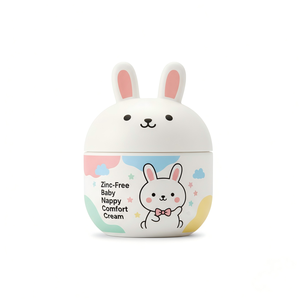
The global infant and toddler personal care market is experiencing a profound paradigm shift. Driven by rigorous regulatory frameworks such as the EU Cosmetic Regulation (EC) No 1223/2009, China's National Medical Products Administration (NMPA) "Safety Technical Standards for Cosmetics" (incorporating strict provisions for children under 3 years old), and the US Modernization of Cosmetics Regulation Act (MoCRA), procurement teams are abandoning generic cosmetic contract manufacturers in favor of specialized, cleanroom-certified pediatric suppliers.
Infant skin biology is distinctly vulnerable: the stratum corneum is approximately 30% thinner than adult skin, possesses a significantly higher transepidermal water loss (TEWL) rate, and features an immature acid mantle with a neutral-to-alkaline surface pH during the early neonatal weeks. Consequently, private label baby skincare formulations cannot merely be diluted adult products; they demand proprietary biomimetic engineering, non-cytotoxic emulsification technology, and strictly monitored production environments.
As a leading China contract manufacturer and engineering innovator, our infrastructure combines deep biological research with automated converting machinery fabrication. We operate dual competencies: end-to-end custom blending and filling under ISO 22716 and cGMP conditions, alongside proprietary mechanical engineering that fabricates the very high-speed, CE-certified wet wipe converting systems that power global brands. This symbiotic integration ensures unmatched precision, rapid scale-up, and optimal unit economics for our brand partners.
Patented vernix-mimicking lipid formulations incorporating biomimetic squalene, plant sterols, panthenol, and natural egg yolk oil to reinforce the vulnerable neonatal moisture barrier against mechanical friction and moisture rash.
Class 100,000 cleanroom environments featuring multi-stage reverse osmosis (EDI) water purification systems, yielding sub-10 CFU/ml microbial purity without reliance on aggressive phenoxyethanol or paraben biocides.
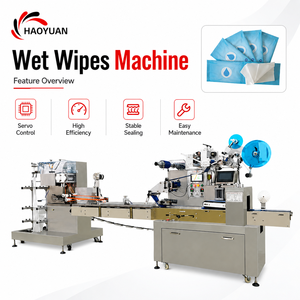
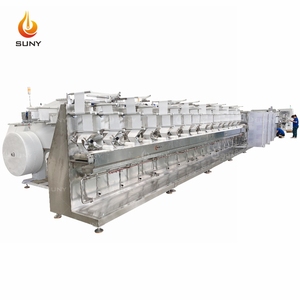
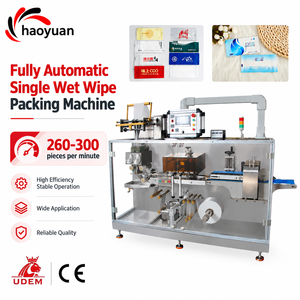
Proprietary converting and packaging engineering. Our JBK-260S high-speed lines support flexible substrate processing, including 100% biodegradable bamboo, flushable pulp, and ultra-thick cross-lapped spunlace nonwovens.
B2B retail procurement managers and brand developers must anticipate evolving consumer expectations and escalating compliance mandates. Our R&D laboratories track five critical vectors shaping contract infant manufacturing:
Modern pediatric clinical dermatology demonstrates that sterile, overly antiseptic environments disrupt the infant skin microbiome, escalating occurrences of atopic dermatitis and contact allergies. Global procurement is decisively tilting toward prebiotic, probiotic-derived, and postbiotic lysates. Ingredients such as lactobacillus ferment filtrates, inulin, and alpha-glucan oligosaccharides are engineered into gentle washes and lotions to foster commensal microflora without triggering irritation.
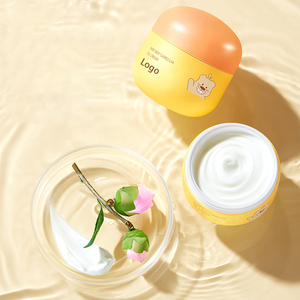
While mineral oils were historically prized for low cost and occlusive inertness, conscious millennial and Gen-Z parents actively demand sustainable, nutrient-rich plant lipids. As highlighted in our private label Camellia Oil range, wild-harvested cold-pressed oleic complexes supply essential monounsaturated fatty acids that harmonize with human sebum, providing deep epidermal nourishment while preventing trans-epidermal moisture dissipation.
Wet wipe regulations across Europe (EU Single-Use Plastics Directive) and North American municipal restrictions are phasing out synthetic polyester (PET) and polypropylene (PP) wipe substrates. Brands are rapidly migrating toward 100% Lyocell, TENCEL™, FSC-certified unbleached wood pulp, and organic bamboo spunlace. Our converting machinery lines have been systematically upgraded with precise tension controls to handle biodegradable natural fibers at 260+ packs per minute without fiber shear or fuzzing.
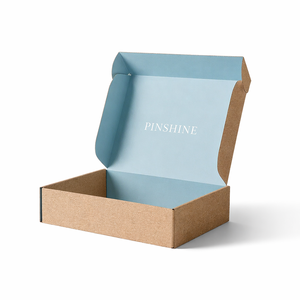
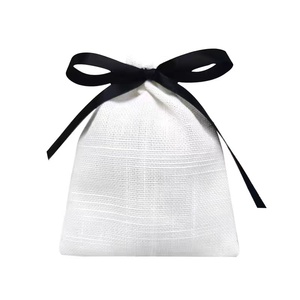
Safety considerations extend past the cosmetic cream into outer packaging. Chemical migration from synthetic printing inks and volatile adhesives represents a hidden vulnerability. The future of infant skincare shipping lies in 100% recyclable, soy-ink printed corrugated mailers, water-based structural adhesives, and reusable organic cotton muslin gift pouches that elevate brand perception while fulfilling ESG corporate mandates.
| Evaluation Parameter | Standard Cosmetic Factory | Pediatric Certified Manufacturer (Our Edge) | Compliance Reference |
|---|---|---|---|
| Microbial Purity Standard | Total Aerobic Count < 500 CFU/g | Total Aerobic Count < 10 CFU/g (Near Sterile) | USP 61 / EP 5.1.4 |
| Cleanroom Rating | Class 300,000 / Unrated | Class 100,000 / Class 10,000 Precision Infill | ISO 14644-1 / cGMP |
| Preservative Strategy | Phenoxyethanol, Bronopol, MIT/CMIT Blends | Organic Acid Systems, Bio-ferment Synergies | EWG Verified / COSMOS |
| Substrate Processing | Standard Polyester/Viscose Blends | 100% Plant-Derived Biodegradable Fibers | EU SUPD / OEKO-TEX 100 |
| Clinical Validation | Basic Patch Test (24 Hour) | HRIPT (Repeated Insult), In-Vitro HET-CAM Eye Test | Pediatrician Approved |
Clear, direct answers regarding custom formulation lead times, minimum order quantities, regulatory filing assistance, and machinery equipment integration.
Schedule an engineering consultation with our technical team. Whether you require custom formulation bench samples, packaging prototyping, or high-volume automated converting machinery quotes, our global export division provides rapid response within 12 business hours.