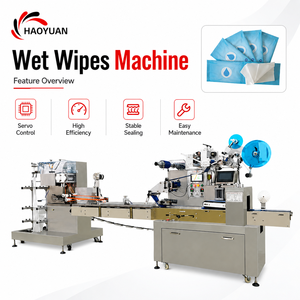

From high-speed converting machinery for industrial converters to dermatologically formulated private label formulations and specialized packaging for brand owners across Karachi, Lahore, Faisalabad, and Islamabad.
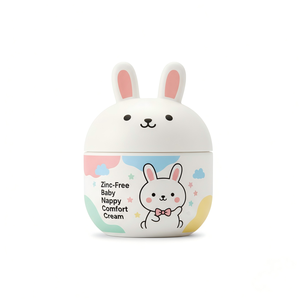
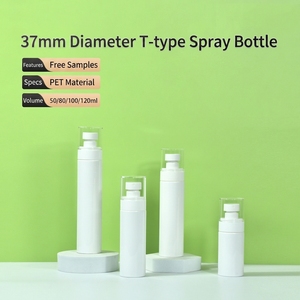
Formulating and manufacturing baby skincare for Pakistan requires addressing distinct environmental stressors: intense monsoon humidity, arid winter dry spells, saline municipal wash water, and thermal logistics spikes.
Infant epidermis is roughly 30% thinner than adult skin, exhibiting heightened Trans-Epidermal Water Loss (TEWL) and an immature neutral-to-alkaline surface pH. In Pakistani metropolitan hubs—such as Karachi with high coastal salinity and ambient humidity, and Lahore or Faisalabad with heavy seasonal particulate matter (PM2.5) during smog seasons—neonatal skin is exposed to acute chemical and mechanical abrasion. Standard Western cosmetic emulsions formulated for temperate climates routinely experience phase separation, emulsion collapse, or excessive tackiness when warehoused in non-climate-controlled local distribution centers.
Our manufacturing philosophy focuses on bio-mimetic lipid reinforcement. By incorporating Camellia Seed Oil, bio-fermented vernix substitutes, D-Panthenol (Pro-Vitamin B5), and ultra-purified medical-grade lanolin, our formulations construct a resilient semi-permeable lipid film. This hydrophobic barrier shields against fecal enzymes (urease and protease) responsible for severe diaper dermatitis, without clogging underdeveloped sweat pores (eccrine glands) during sweltering 40°C+ summer peaks.
The convergence of ambient 85%+ relative humidity and prolonged occlusive diaper wear generates extreme skin maceration. Our zinc oxide and panthenol herbal nappy pastes are thermally stabilized to remain non-separating up to 48°C, providing an unyielding protective coat that accelerates tissue recovery.
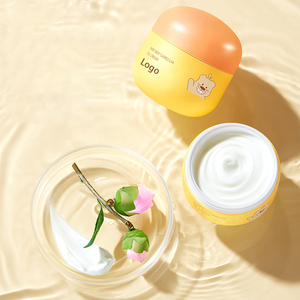
Between November and February, Punjab's humidity drops sharply alongside severe airborne particulate concentrations. Neonatal skin rapidly dehydrates. Our cold-pressed Camellia face creams and physiological barrier emulsions prevent severe dry skin cracks, stinging, and micro-fissuring.
Pakistan's municipal ground tap water often contains high Total Dissolved Solids (TDS) and alkaline carbonates. Our HAOYUAN wipes production lines use multi-stage RO reverse osmosis and EDI electro-deionization with 0.05% food-grade broad-spectrum antimicrobial systems to eliminate bacterial contamination.
Strategic procurement directors must analyze shifts in Pakistani consumer demographics, tariff adjustments, and ingredient safety regulations to capture high-margin retail market share.
With an annual crude birth rate surpassing 27 births per 1,000 population and accelerating urban migration, demand for commercial infant hygiene essentials is outpacing legacy home-made remedies across tier-1 and tier-2 distribution chains.
Educated middle-class parents increasingly reject paraffin waxes, chemical colorants, synthetic fragrance masks, and paraben preservatives. Clean formulations featuring clear, verifiable ingredient declarations command 25% to 40% retail pricing premiums.
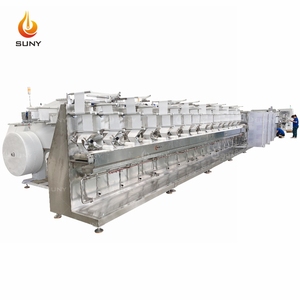
Import tariffs, SBP foreign exchange regulations, and devaluation pressures have created strong demand for domestic manufacturing. Savvy brands are importing fully automated HAOYUAN converting machinery to run non-woven wet wipes production domestically within Pakistan.
Rigorous ingredient tracking that confirms zero porcine fatty acid derivatives, non-denatured alcohol bases, and cruelty-free handling is no longer optional—it is a critical requirement for nationwide shelf placement in Pakistani pharmacies and superstores.
Combining modern industrial high-speed filling lines, cleanroom converting automation, and stringent analytical laboratory validations under single-source manufacturing management.
Equipped with high-precision automated filling systems processing up to 65,000 tubes daily and multi-head flex units producing up to 150,000 packs daily. Our facilities accommodate diverse formats ranging from convenient 30g trial portions up to 5-gallon institutional bulk sizes.
Our dedicated R&D chemists develop proprietary barrier lotions, cold-pressed seed oils, tear-free surfactants, and biomimetic lipid emulsions. We work with minimal-ingredient matrices to produce clean products engineered for commercial price points.
From initial formula approval to artwork plate setup, component tooling, export packing, and maritime cargo dispatch, we eliminate multi-vendor friction. We deliver fully documented consignments straight to Port Qasim or Karachi Port with complete batch documentation.
Key regulatory, logistical, and technical insights for corporate sourcing agents, cosmetic importers, and pharmacy retail distributors.
We supply comprehensive technical dossiers for every production run, including Certificates of Analysis (COA), 100% finished product Microbiological Clearance Certificates, Heavy Metal Test Reports, Safety Data Sheets (SDS/MSDS), and cGMP / ISO 22716 compliance credentials required by customs authorities at Karachi Port.
We conduct rigorous 3-month accelerated thermal stress testing at 45°C to 50°C and 75% relative humidity to confirm that lotions, creams, and emulsions maintain structural stability without oil-water separation or degradation, making them well-suited for hot warehousing in non-temperature-controlled supply chains.
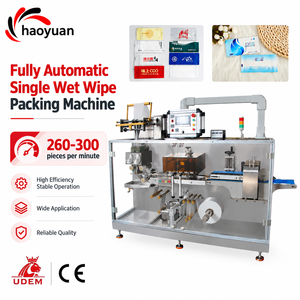
For custom private label creams, balms, and liquid formulations, our MOQs typically begin at 5,000 to 10,000 finished units per SKU, depending on custom bottle tooling and secondary carton requirements. For industrial machinery, such as the HAOYUAN JBK-260S high-speed wipes line, orders start at single line units.
Yes. We formulate and verify lines using 100% plant-based or synthetic biomimetic materials, free from animal derivatives and ethyl alcohol. We also offer allergen-free, 100% fragrance-free formulations designed for sensitive neonatal skin and approved by pediatric dermatologists.
Standard ocean transit to Karachi Port or Port Qasim typically takes between 18 and 28 days depending on the shipping line. Formulation blending, packaging decoration, filling, and final QC inspection typically take 25 to 35 business days from initial sample and packaging artwork sign-off.
Yes. For automatic baby wipes machines and packaging lines, we provide comprehensive technical support, including on-site dispatch of mechanical and electrical commissioning engineers to facilities across Karachi, Lahore, and Gujranwala, backed by remote video PLC diagnostic troubleshooting.
Connect with our technical R&D chemists and engineering directors to review formula libraries, custom packaging prototypes, production line specs, and import cost modeling for your target market.